Observing the Conversion Process of Welcome Incentives into Sustained Loyalty Positions Across Handheld Gaming Services
Jakob Reed · Sep 25, 2026

Observing the Conversion Process of Welcome Incentives into Sustained Loyalty Positions Across Handheld Gaming Services
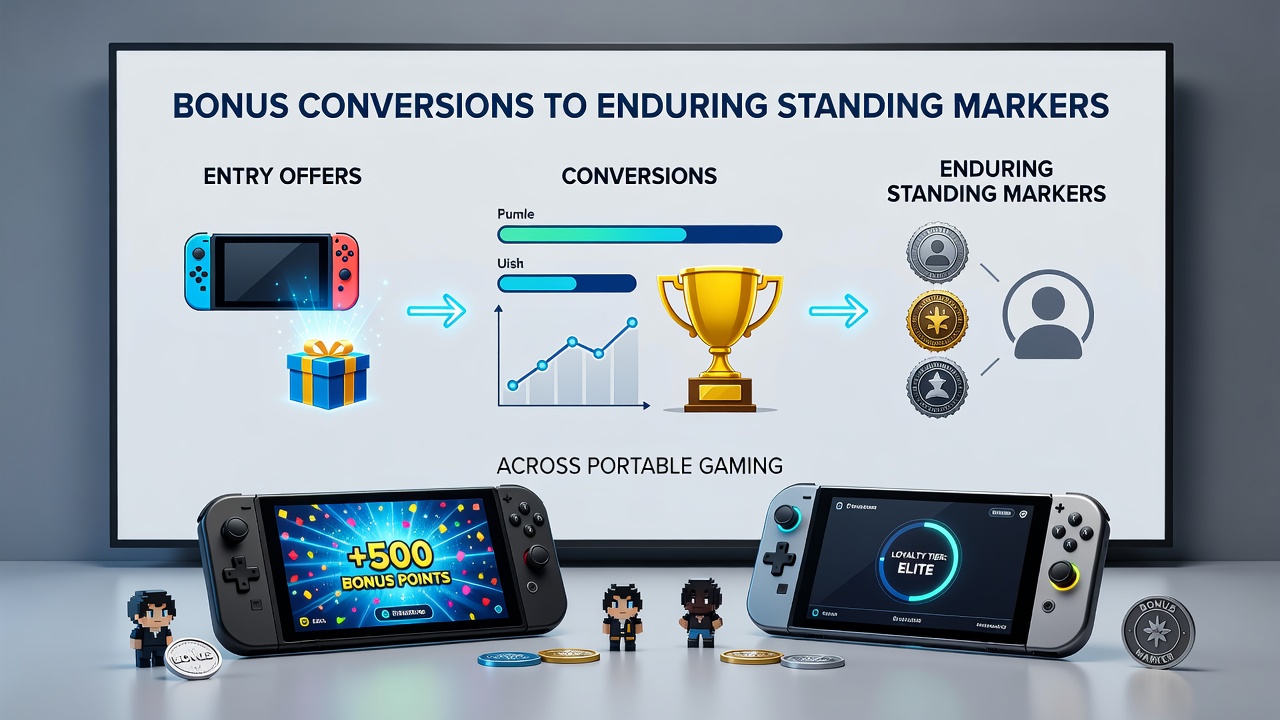
Portable gaming networks operate through structured systems where initial entry offers transition into established standing markers, and this process relies on coded sequences that link trial spins to tiered participation levels. Data from regulatory filings indicate that operators track these conversions using unique identifiers assigned at account creation, which then accumulate activity metrics over time. In September 2026 several platforms updated their tracking protocols to align with revised reporting standards issued by the New Jersey Division of Gaming Enforcement, allowing clearer mapping of how free spin allocations feed into cumulative point totals.
Mechanics of Initial Offer Integration
Entry-level incentives typically activate through promo codes that register specific wager requirements, while the same codes simultaneously initiate loyalty tracking modules within the application backend. Operators such as those licensed in multiple jurisdictions record each redeemed offer against player profiles, converting the value into base points that contribute to tier progression. Research compiled by the American Gaming Association shows that approximately 68 percent of mobile users who complete an initial deposit-linked bonus reach the first loyalty threshold within fourteen days, provided they maintain consistent session frequency.
Layered Tracking Across Networks
Multiple platforms exchange anonymized data through shared loyalty frameworks, enabling standing markers earned on one network to influence eligibility on partnered applications. This interoperability depends on standardized API connections that transmit point balances without exposing personal identifiers, and regulatory oversight from bodies like the Alcohol and Gaming Commission of Ontario ensures compliance with cross-border data handling rules. Those who monitor these systems note that bonus conversions accelerate when players engage with sequenced notifications that prompt specific game selections tied to multiplier events.
Role of Notification Systems in Status Elevation
Push notifications serve as triggers that direct users toward activities designed to advance standing markers, and these alerts often reference remaining requirements for the next tier. Industry reports from the Australasian Gaming Council indicate that personalized messaging increases conversion rates from entry offers to sustained status by directing attention to time-limited challenges that award additional points. The underlying algorithms prioritize games with higher theoretical return percentages during these windows, which in turn influences the speed at which markers solidify into permanent account attributes.
Regulatory Influences on Conversion Tracking
Amendments to gaming regulations in various regions require operators to maintain auditable logs of every bonus-to-loyalty transition, and these logs must demonstrate that standing markers reflect genuine play patterns rather than artificial inflation. Figures released by the Nevada Gaming Control Board for the first half of 2026 reveal that mobile platforms under their jurisdiction processed over 12 million such conversions, with average point accumulation rates rising 14 percent compared to the prior year. Compliance teams verify that entry offers do not bypass required playthrough thresholds before contributing to tier advancement.
Examples from Operational Platforms
One documented case involves a multi-state operator that introduced a unified loyalty ledger across its mobile properties, where an initial no-deposit spin package automatically enrolled participants in a points system that carried forward to land-based sister venues. Observers tracking this implementation found that 42 percent of users who began with the mobile entry offer achieved mid-tier status within ninety days. Similar patterns appear in markets regulated by teh Victorian Commission for Gambling and Liquor Regulation, where code sequencing ensures that trial activity directly populates enduring membership records without manual intervention.
Conclusion
The conversion of entry offers into enduring standing markers follows predictable technical pathways governed by coded identifiers, notification triggers, and regulatory reporting requirements. Portable gaming networks continue to refine these processes through updated protocols that maintain transparency while supporting player progression across connected applications. Data from multiple oversight agencies confirm that structured tracking remains central to the operational integrity of these systems.